Maximize Small Spaces: Tips for Designing Compact Yet Functional Gardens Jul 16, 2026
Start by assessing your space. Before diving into design, it's crucial to evaluate what you have. Take note of your garden's dimensions, sun exposure, and any existing features or restrictions. This assessment will guide your planning process and help you create a garden that complements your home rather than overwhelms it. It's essential to be realistic about what the area can accommodate, and focus on your desired garden features, whether they're lush greenery, a reading nook, or even a small water feature.
One effective way to maximize small spaces is through vertical gardening. When ground space is limited, think upwards. Use trellises, wall-mounted planters, and vertical plant racks to add layers of greenery without encroaching on your floor space. Climbing plants such as ivy, jasmine, or even vegetables like tomatoes, can create a lush appearance and add depth to your garden. Vertical gardens not only make the most of limited space but also create a striking visual impact.
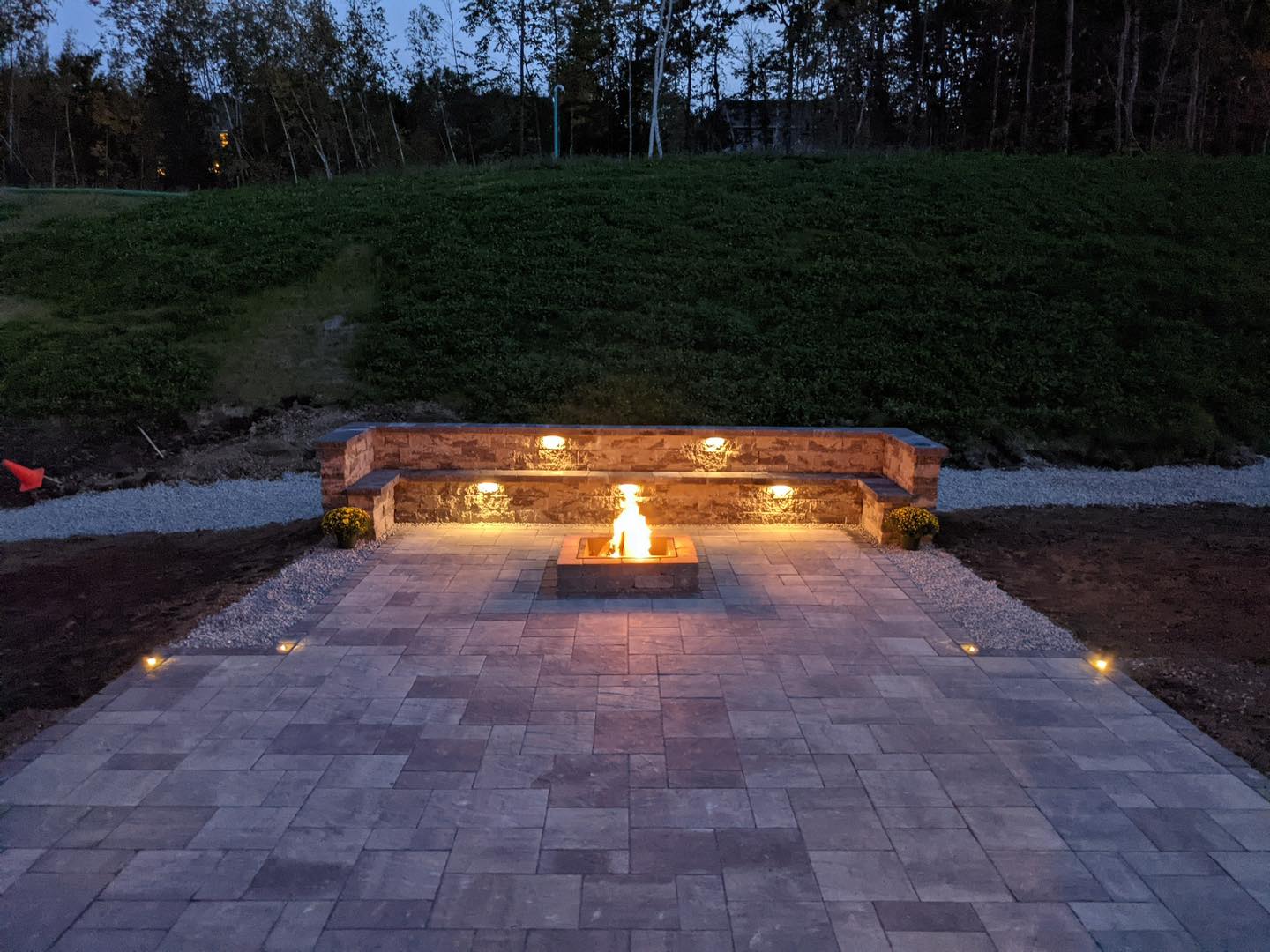
Furniture selection plays a pivotal role. Choose multi-functional and foldable furniture to maximize space usage. Items like a bench with built-in storage, a foldable table, or chairs that stack can offer flexibility without overcrowding the area. Opt for lightweight materials such as aluminium or synthetic wicker, which are easy to rearrange and maintain. Thoughtful furniture selection ensures comfort, practicality, and aesthetics, all while conserving precious space.
Layering is another invaluable technique. Use varied plant heights and types to create layers of interest. Mix low ground covers, medium shrubs, and tall trees or structures to draw the eye upward and give the illusion of larger dimensions. This strategy not only enhances visual depth but also enables you to experiment with different plant textures and colors, creating a dynamic and engaging environment.
Incorporating mirrors can also expand the perceived size of your garden. Strategically placed mirrors can reflect light and bounce it around, making your garden feel larger and more open. Use them to mimic windows or to highlight specific features within the space. However, ensure that mirrors do not face direct sunlight to avoid any unwanted glare.
Finally, do not underestimate the power of a good focal point. Choose one or two standout features, such as a sculpture, a small water fountain, or a unique plant species, to draw attention. A well-chosen focal point not only engages the eye but also helps unify the garden design, providing a sense of cohesion amidst potential clutter.
In conclusion, small gardens offer immense opportunities for creativity and functionality when approached with thoughtful planning and design strategies. By focusing on vertical spaces, selecting versatile furniture, utilizing layering techniques, and establishing a focal point, you can transform any compact area into a delightful retreat. Martin's Landscaping & Construction is committed to helping you maximize your garden potential, even in the smallest of spaces. Embrace creativity and enjoy the process of personalizing your outdoor haven.
/filters:no_upscale()/filters:format(webp)/media/c06afe96-c0ef-40fa-a61a-27207e144131.jpeg)