Year-Round Garden Glory: Plant Selection and Design for Every Season Aug 21, 2026
Start with a solid foundation by dividing your garden into different zones based on sun exposure, soil type, and moisture levels. This will help in choosing the most suitable plants for each area. By understanding your garden’s microclimates, you can select plants that will thrive naturally. For instance, if you have a shaded area, consider plants like hostas or ferns which flourish without direct sunlight.
Spring is the season of renewal, and it’s the perfect time to introduce color with early bloomers like daffodils and tulips. These bulbs herald the arrival of spring with their vibrant hues and are easy to plant in the fall. Adding flowering shrubs like azaleas can further enhance the spring display. Ensure that the soil condition is optimal by incorporating organic matter, ensuring a healthy start for your spring plants.
As summer approaches, the focus should shift to plants that offer not only beauty but also resilience against heat. Consider incorporating a mix of perennials like lavender and coneflowers, as well as annuals like marigolds. These plants not only add color but also attract pollinators to your garden. When designing your summer garden, think about layering plants of different heights to create depth and visual interest.
Autumn brings a palette of warm tones to the garden. This season is ideal for adding ornamental grasses, which provide texture and movement as they sway in the cool breezes. Planting trees like maples or oaks not only provides stunning fall foliage but also sets the stage for structural interest in winter. Don’t forget to include late-blooming perennials such as asters and chrysanthemums to prolong the flowering season.
Winter need not be a dull or barren season in the garden. By incorporating evergreen shrubs and trees such as holly or junipers, you can maintain visual interest even when many plants are dormant. Additionally, consider adding plants with striking branches or bark, such as redtwig dogwood or paperbark maple, which provide beautiful silhouettes and textures against a winter backdrop.
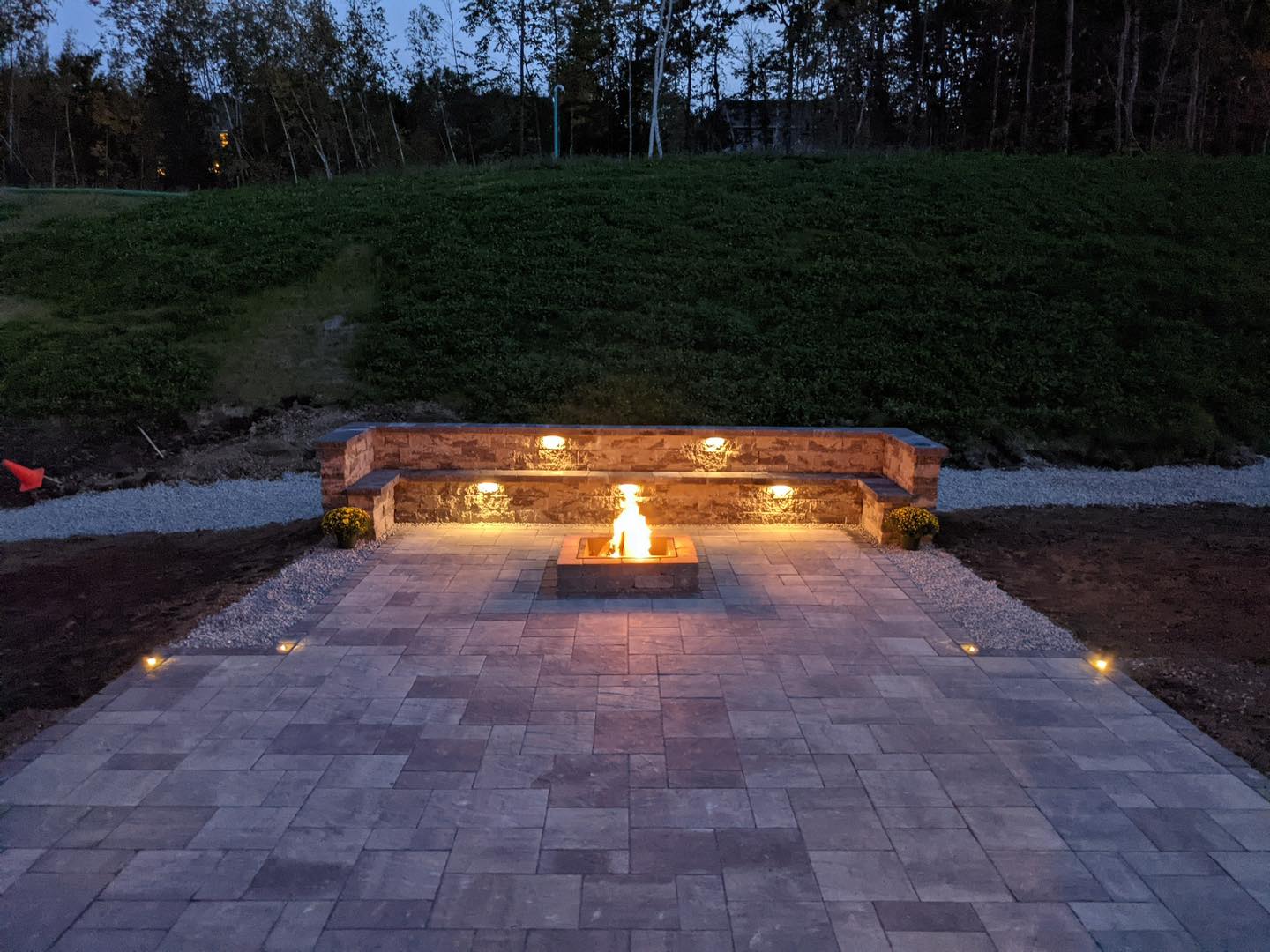
Incorporating hardscape elements can also play a crucial role in year-round garden design. Feature elements like pathways, garden benches, or stone sculptures can provide structure and interest throughout the year. At Martin's Landscaping & Construction, we offer customized hardscape solutions that seamlessly integrate with your plant selection, enhancing the overall appeal of your landscape.
Finally, continuous care and seasonal maintenance are vital to ensure the longevity and beauty of your garden. Regular pruning, mulching, and soil testing can prevent issues and encourage healthy plant growth. A well-maintained garden not only looks good but thrives regardless of season.
In conclusion, designing a garden for year-round beauty involves strategic plant selection, thoughtful design, and consistent maintenance. With the right approach, your garden can be a vibrant, dynamic space that offers enjoyment and tranquility throughout the year. Whether you are starting from scratch or enhancing an existing garden, Martin's Landscaping & Construction is here to help you achieve your vision, creating an outdoor space that blooms with life and color across all seasons.
/filters:no_upscale()/filters:format(webp)/media/c06afe96-c0ef-40fa-a61a-27207e144131.jpeg)